THE 5 CORE NLP TECHNIQUES: DEFINITIVE GUIDE TO SUBCONSCIOUS CHANGE
Neuro-Linguistic Programming (NLP) studies how internal thought patterns, language structures, and sensory representations interact to shape human behaviour, emotional regulation, and personal performance. Rather than focusing solely on talk therapy, NLP techniques provide structured, repeatable protocols to decode and update subjective experience at the subconscious level.
Key Takeaways
Definition: NLP techniques map and restructure the mental code behind habits, emotional triggers, and limiting beliefs.
The Core Five: Anchoring, The Swish Pattern, Reframing, Meta Model Questions, and Future Pacing form the foundation of applied practical psychology.
Clinical Reality: These tools are applied as behavioral toolkits for state management and performance coaching, distinct from clinical psychiatry.
Expert Authority: Master Practitioner applications require precise calibration, live supervision, and deep ecological alignment.
Author & Expert Review
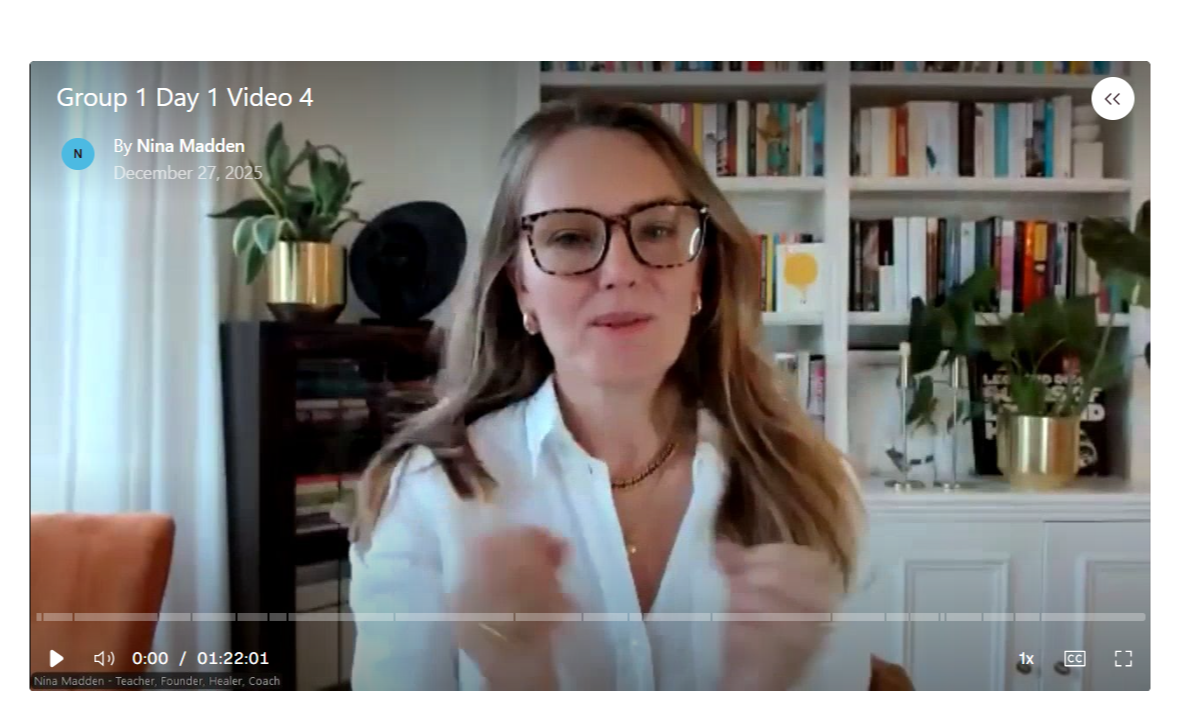
Written by Nina Madden | Executive & Personal Coach, Accredited Master NLP Trainer & Qualified EMDR Therapist
Last updated & verified for accuracy: November 11, 2026
About the Author: Nina Madden is the founder of the Life Changes Coaching Academy. She has been practising as a private clinical and executive coach in London since 2007, and educating certified coaches internationally since 2012. The academy maintains a 4.9-star rating across 103 verified Google reviews. Nina holds dual Master’s degrees from City University London and Sotheby’s Institute of Art and is an accredited INLPTA and ABNLP Master Trainer.
Why Standard Coaching Sometimes Stalls (And How NLP Breaks Through)
The moment you witness a client’s face shift from confusion to clarity—that is why we do this work. As coaches, therapists, and consultants, we live for those breakthrough moments when someone finally sees past their limitations.
Yet sometimes, despite our best efforts, progress stalls. The same patterns keep showing up. The transformations do not stick. Deep down, you sense there is another level of change waiting to happen—if only you had the right tools to unlock it.
That is exactly where NLP becomes your greatest resource.
Years of applying these techniques with clients from all walks of life—executives breaking through glass ceilings, athletes overcoming performance anxiety, everyday people ready to rewrite their stories—demonstrate one fundamental truth: the right NLP technique, applied with care and precision, can catalyse the kind of change that ripples through every area of someone’s life.
Below are 5 of the most powerful, immediately usable NLP techniques that consistently create real breakthroughs in professional coaching.
1. Anchoring Confidence
Picture your client walking into their biggest presentation with unshakeable calm. Or stepping onto the stage feeling completely in their power. That is what anchoring makes possible. Many well-known leaders and star athletes use anchoring to elevate their results.
-
What it is: The deliberate association of a specific sensory cue (a touch, gesture, or word) with a distinct emotional state.
-
How it works: You vividly recall a peak emotional moment (such as confidence or calm) and pair it with a physical trigger—like pressing your thumb and forefinger together—to recreate that state on command. Once properly installed, this anchor becomes your client’s personal access point to confidence when they need it most.
-
Clinical / Coaching Application: Working with Sarah, a talented executive who froze during board meetings, we anchored her most confident state to a subtle hand gesture. Three months later, she messaged: "Just closed the biggest deal of my career. Used my anchor the whole time. Thank you."
-
Best for: Confidence, stress management, high-performance states.
-
Coaching Tip: Layer the anchor with a powerful memory and watch it become even more potent.
2. The Swish Pattern
Some habits run deep. The Swish Pattern rewires them at the source.
-
What it is: A method used to rewire deep-seated habits and replace unwanted mental images with empowering alternatives.
-
How it works: This elegant technique helps clients replace automatic negative responses—that knot in the stomach before public speaking, the urge to procrastinate, the voice saying “you’re not enough”—with empowering alternatives. We help the brain swap out the old mental movie for a new one, then lock it in place through specific visual and physical cues. It is like updating the operating system of the unconscious mind.
-
Best for: Breaking habits, dissolving minor negative behaviours, building unshakeable confidence.
-
Coaching Tip: Make the new image so compelling and multisensory that their nervous system cannot help but choose it.
3. Reframing
“I’m a failure” becomes “I’m learning.”
“This ruined everything” becomes “This redirected my path.”
“I’ll never recover” becomes “I’m becoming stronger.”
-
What it is: Changing the frame of reference or meaning behind a situation to alter how you interpret it.
-
How it works: Reframing does not change what happened—it transforms what it means. And meaning changes everything. Observing grieving clients find purpose in loss, entrepreneurs see opportunity in setbacks, and parents release decades of guilt shows that the shift happens in an instant, but the freedom lasts forever.
-
Best for: Shifting perspectives, healing emotional wounds, discovering hidden strengths.
-
Coaching Tip: Listen for the limiting beliefs hiding in their language—that is where the magic happens.
4. Meta Model Questions
Your clients’ words reveal their inner world. The Meta Model helps you decode it.
-
What it is: A precise set of linguistic challenge patterns designed to unpack deletions, distortions, and generalisations in spoken language.
-
How it works: When someone says “I always mess things up,” they are not stating a fact—they are revealing a limiting belief that is keeping them trapped. One carefully placed question—“Always? Can you remember even one time you didn’t?”—can crack that belief wide open. These questions act as cognitive keys unlocking doors clients did not know were closed.
-
Best for: Uncovering hidden beliefs, expanding awareness, creating possibility.
-
Coaching Tip: Ask with genuine curiosity and compassion—these questions touch tender places.
5. Future Pacing (Imagery Training)
Breakthroughs feel amazing in the moment. Future pacing ensures they last.
-
What it is: A structured visualisation exercise where you mentally walk through a future scenario.
-
How it works: By guiding clients to mentally rehearse their new confidence, clarity, or courage in upcoming real-life scenarios, we program their success in advance. Their nervous system experiences the victory before it happens, making success feel inevitable rather than impossible. Watch their whole physiology shift as they step into their future self.
-
Best for: Cementing breakthroughs, building momentum, ensuring lasting change.
-
Coaching Tip: Have them feel it in their body—the more sensory detail, the more powerful the programming.
The Truth About Going Deeper
These five techniques will transform your coaching. But after years in this field, one reality stands out: surface-level tools only take you so far.
The clients who need us most—the ones carrying deep wounds, complex trauma, or generational patterns—require something more. They need coaches who can work at the level of identity, values, and unconscious patterning.
Most coaches plateau because they:
-
Stay in the safe shallows of surface change
-
Avoid the profound healing possible with advanced framework models
-
Miss the deeper conflicts in values and beliefs
-
Haven’t done their own deep breakthrough work
-
Wait too long to develop true mastery
Real transformation happens when we are brave enough to go deeper—both with our clients and ourselves.
Your Journey to Mastery
There comes a point in every coach’s journey when you are ready for more. More skill. More depth. More capacity to facilitate profound change.
The NLP Master Practitioner Certification represents that next level. It is where practitioners become masters, and where good coaches become extraordinary.
Take Your Next Step
If you are ready to master these techniques and step into professional mastery:
Learn More About The DiplomaLearn more about our ICF Life Coaching and NLP Diploma
Become an accredited NLP Practitioner with ICF Accredited Life Coaching in just a few weeks. Visit the Dual-Accredited Boutique Diploma.
Visit the Diploma Page